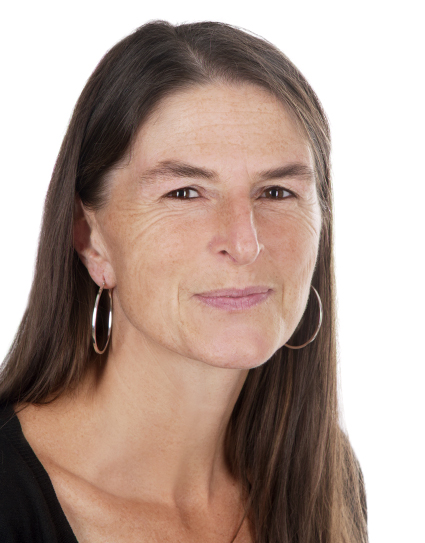
Marion Jourdan
- Mitglied Betroffenenbeirat FICUS Studie & FICUScale
Header
Biography:
In 1988, I began studying Ethnology and Educational Sciences in Heidelberg, followed by many years of work at the Ethnological Collections in Mannheim. From 1997 to 2000, I also held teaching positions at the University of Heidelberg. Since 2009, I have additionally worked as an instructor for German as a foreign language and in literacy courses. Since 2013, I have been working at the Carl Bosch Museum in Heidelberg.
What is your personal connection to the topic of family care? Why are you involved in the FICUS advisory board?
I first became aware of this important topic through the serious accident of my partner and as a participant in the FICUS study. The fact that affected individuals are included and heard in the FICUS study is a vital approach and an opportunity to contribute as part of the advisory board. The support my family and I received in the hospital helped us greatly, and now I want to give something back. In general, I believe it’s essential to incorporate the perspectives of those affected—whether patients or family members—into medical research, as their well-being is at the center. Moreover, beyond research, in the direct interactions between patients, doctors, and nursing staff, those affected should be heard more clearly.
What experiences, knowledge, or unique perspectives do you bring?
Perhaps my strongest contribution comes from the central concern of my field of ethnology: giving voice to the "other" and understanding those being studied as capable individuals (subjects) with their own life experiences. Bringing this perspective into medical research is a great asset and can only enrich the work being done.